A little background
A big idea for a small ensemble.
When Igor Stravinsky created The Soldier’s Tale in 1918, he wasn’t setting out to write another Rite of Spring.
Europe was still in the final months of World War I. Stravinsky was exiled in Switzerland, cut off from important sources of income, and the enormous orchestras and elaborate theatrical productions that had launched his career were suddenly impractical. He and his artistic collaborator C.F. Ramuz, a French-speaking Swiss writer, needed to find another way to make ends meet.
Their solution was wonderfully practical: make the most out of as little as possible.
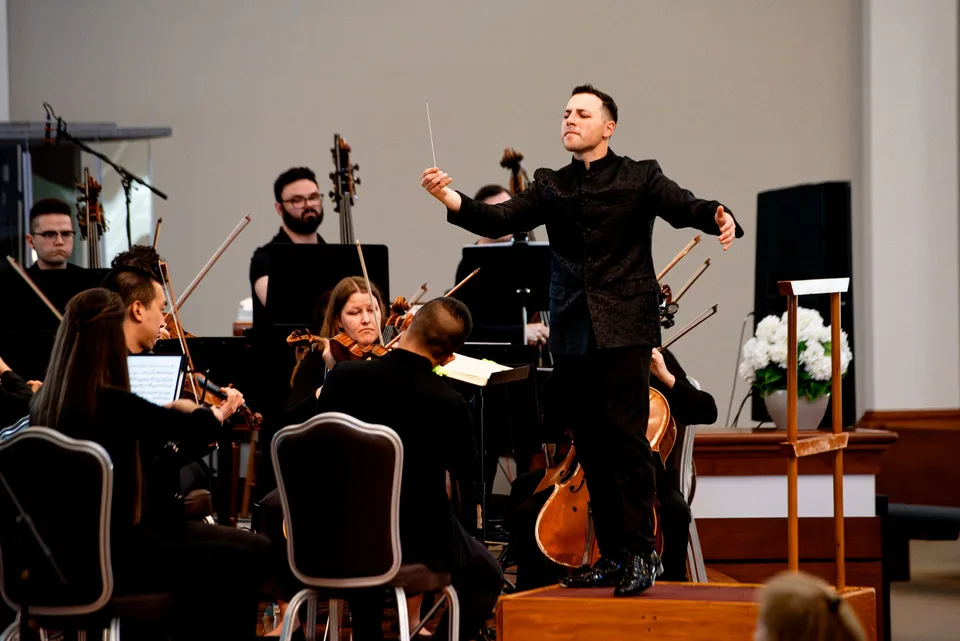
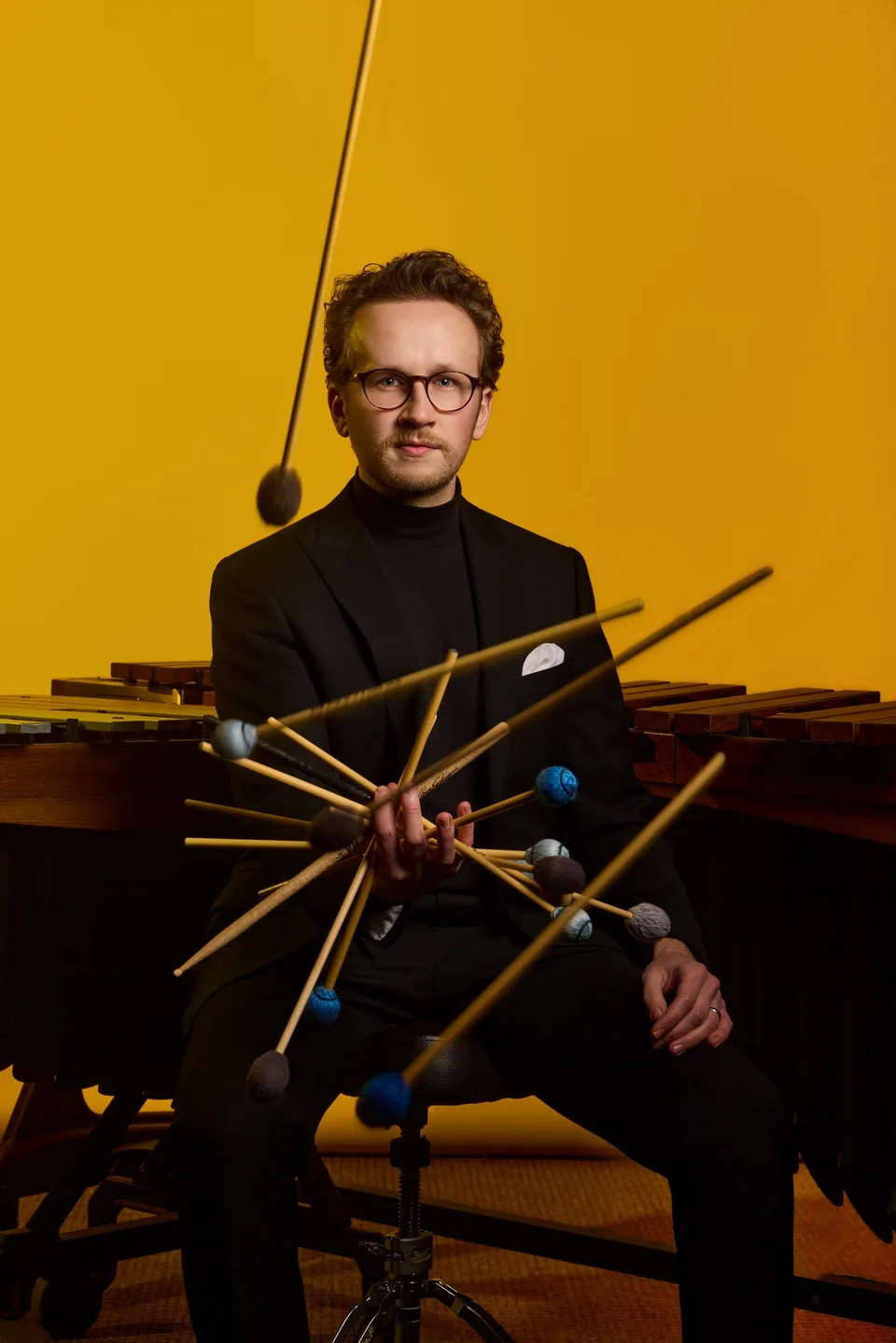
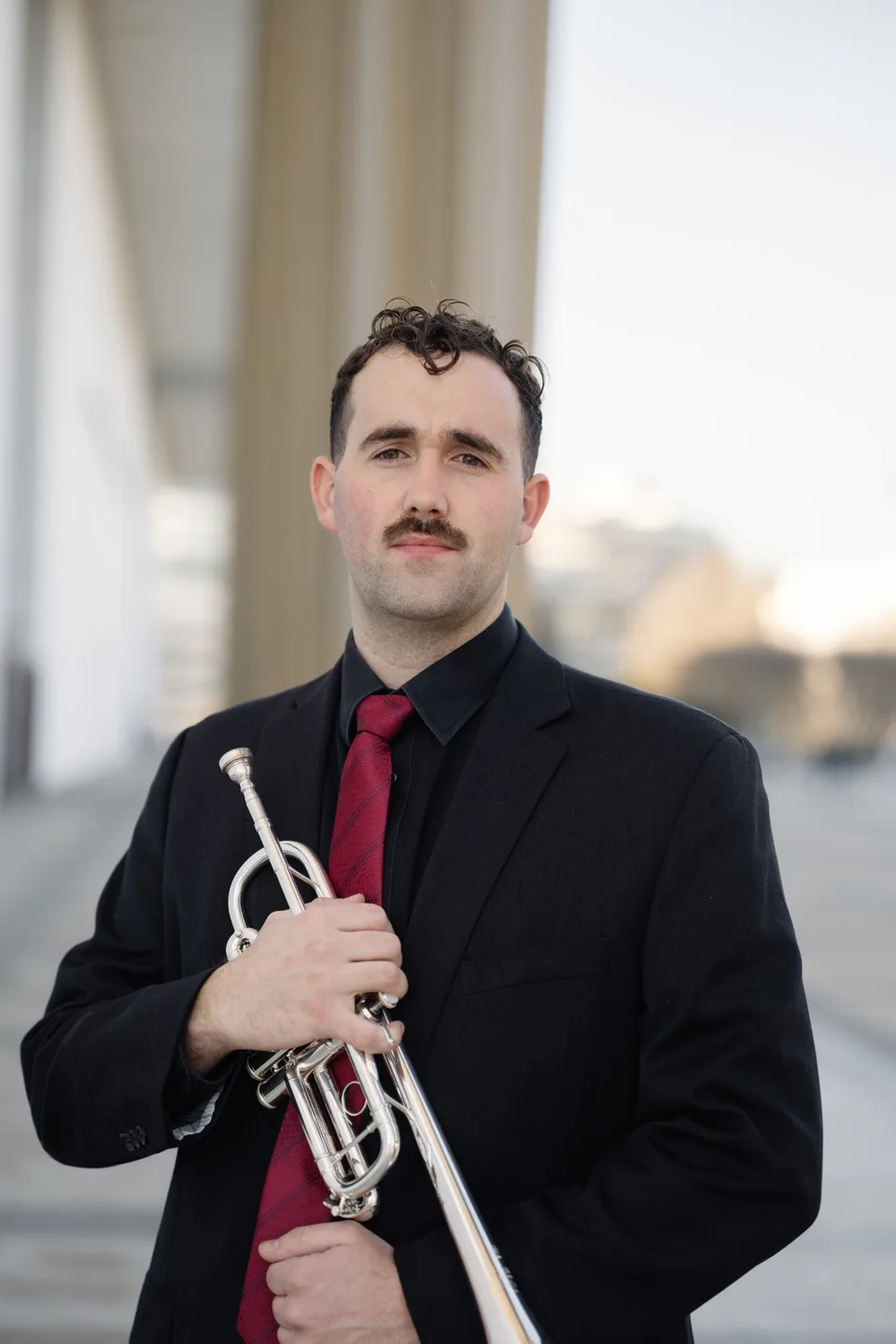
Rather than writing for a huge orchestra, Stravinsky assembled just seven musicians: violin, double bass, clarinet, bassoon, cornet, trombone, and percussion. The idea was to create a small, portable theatrical production that could travel from town to town and reach audiences in places where a full-scale opera or ballet simply couldn’t go.
Stravinsky later described the concept as a kind of traveling theater that could be transported easily and performed even in small communities.
So, what is The Soldier’s Tale, exactly?
Stravinsky and Ramuz described it simply as a work “to be read, played and danced.”
Spoken narration carries the story from one scene—or tableau—to the next. Actors bring the Soldier and the Devil to life. Dance becomes part of the storytelling. And the seven musicians function almost like another character, commenting on the action and propelling the story forward.
What is the story about?
Stravinsky and Ramuz drew from Russian folk tales collected by Alexander Afanasyev, particularly stories about a soldier encountering the Devil. Their version follows a soldier traveling home who encounters a mysterious stranger and agrees to trade his violin for a book that promises him great wealth.
It is essentially a folk-tale variation on the Faust story: What happens when you get everything you think you want—and what might you give up to get it?
What is the music like?
Around the time Stravinsky was composing the music for The Soldier’s Tale, one of his colleagues returned from America with a special gift: ragtime sheet music.
Although Stravinsky had not yet heard this music performed live, he studied it from the printed page and began experimenting with its syncopated rhythms and unfamiliar musical language. Those influences found their way directly into The Soldier’s Tale, including an actual Ragtime alongside a tango, waltz, marches, and other dances. The writing is undeniably Stravinsky, but the score does not fit neatly into one category.
The Soldier’s Tale is a work that carved out its own niche among the great works in our canon. It is intimate because it had to be practical. It is theatrical because Stravinsky and his collaborators wanted to reach beyond the traditional concert hall. And it mixes Russian folklore, spoken theater, dance, classical music, popular music, and the first stirrings of jazz influence into something that still feels fresh and inventive more than a century later.